A 2-level cervical fusion is one of the most serious neck surgeries an injured worker can undergo. In Connecticut workers' compensation cases, these claims often involve high medical costs, long recovery periods, permanent impairment, and future medical exposure. As a result, settlements for 2-level cervical fusion cases are frequently substantial, but there is no “average” or guaranteed amount.
Instead, the value of a 2-level cervical fusion settlement in Connecticut depends on medical evidence, wage loss, permanency ratings, and how well the case is positioned before settlement negotiations begin.
What Is a 2-Level Cervical Fusion?
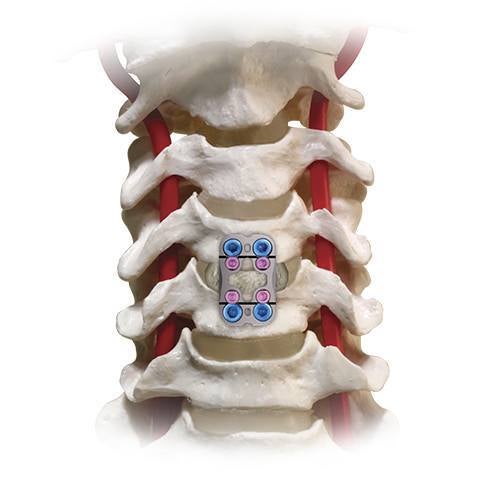
A 2-level cervical fusion is a surgical procedure in which two adjacent cervical discs are removed and fused, usually with plates, screws, and bone grafts. The surgery is typically performed to treat:
-
Herniated or ruptured cervical discs
-
Cervical radiculopathy or myelopathy
-
Spinal instability after a work injury
-
Degenerative disc disease aggravated by repetitive work trauma
Because this surgery permanently alters the structure of the spine, it often results in lasting physical restrictions, loss of motion, and future degeneration at adjacent spinal levels.
What Is the Settlement Value of a 2-Level Cervical Fusion in Connecticut?
Connecticut workers' compensation law does not allow recovery for pain and suffering. Instead, settlement value is driven by economic and statutory benefits, including:
-
Past and future medical expenses
-
Temporary total or partial disability benefits
-
Permanent partial disability (PPD) benefits
-
Exposure to future surgeries or treatment
-
Work restrictions and loss of earning capacity
In practice, 2-level cervical fusion settlements in Connecticut frequently reach six figures and, in complex cases, may exceed that, particularly when future medical care is closed as part of a full and final settlement.
No two cases are the same. The real value depends on medical documentation, permanency ratings, and future risk to the employer or insurer.
Key Factors That Affect a 2-Level Cervical Fusion Settlement
1. Severity of the Cervical Injury
Multi-level fusions typically indicate serious spinal pathology. Ongoing symptoms such as chronic neck pain, arm weakness, numbness, or limited range of motion increase case value.
2. Permanent Partial Disability (PPD) Rating
After maximum medical improvement (MMI), your treating physician may assign a permanency rating to the cervical spine under Connecticut law. Higher ratings directly increase settlement leverage.
3. Future Medical Exposure
2-level cervical fusions carry a known risk of adjacent segment disease, which may require future injections, pain management, or additional surgery. Insurers often pay more to close out this risk.
4. Wage Loss and Work Restrictions
If the injured worker cannot return to their prior job or is restricted to light or sedentary work, ongoing wage differential benefits and reduced earning capacity become critical settlement factors.
5. Credibility and Medical Support
Strong opinions from treating orthopedic surgeons or neurosurgeons—especially when supported by imaging and functional capacity evaluations—significantly strengthen settlement value.
How a Connecticut 2-Level Cervical Fusion Case Typically Settles
Most cervical fusion cases do not go to trial. Settlement discussions usually occur:
-
After surgery and recovery
-
Once MMI is reached
-
After permanency ratings are assigned
-
When future medical exposure is clearly defined
Settlements are typically approved through the Connecticut Workers' Compensation Commission, either as a full and final stipulation or a settlement that leaves future medical care open.
Sample Settlement Components (Illustrative Only)
| Settlement Component | What It Covers |
|---|---|
|
Medical Expenses |
Surgery, therapy, imaging, medications |
|
Temporary Disability |
Time out of work during recovery |
|
Permanency Benefits |
Statutory PPD for cervical spine |
|
Future Medical Buyout |
Risk of future care or surgery |
|
Work Capacity Loss |
Long-term earning limitations |
These figures vary widely and depend entirely on medical and vocational evidence.
How to Maximize a 2-Level Cervical Fusion Settlement
To protect the full value of a serious neck injury claim:
-
Do not settle before understanding permanency and future medical risk
-
Ensure treating doctors clearly document work-related causation
-
Address adjacent segment disease and long-term limitations
-
Avoid undervaluing future exposure just to “close the file”
Early, poorly timed settlements often fail to account for long-term spinal consequences, leaving injured workers without protection years later.
Talk to a Connecticut Workers' Compensation Lawyer Before You Settle
If you underwent—or are facing—a 2-level cervical fusion after a work injury, your case deserves careful evaluation. These are high-stakes workers' compensation claims, and settlement decisions are often irreversible.
An experienced Connecticut workers' compensation attorney can help you understand:
-
What benefits you are entitled to now
-
What future medical risks exist
-
Whether a proposed settlement truly protects your long-term interests





Comments
There are no comments for this post. Be the first and Add your Comment below.
Leave a Comment